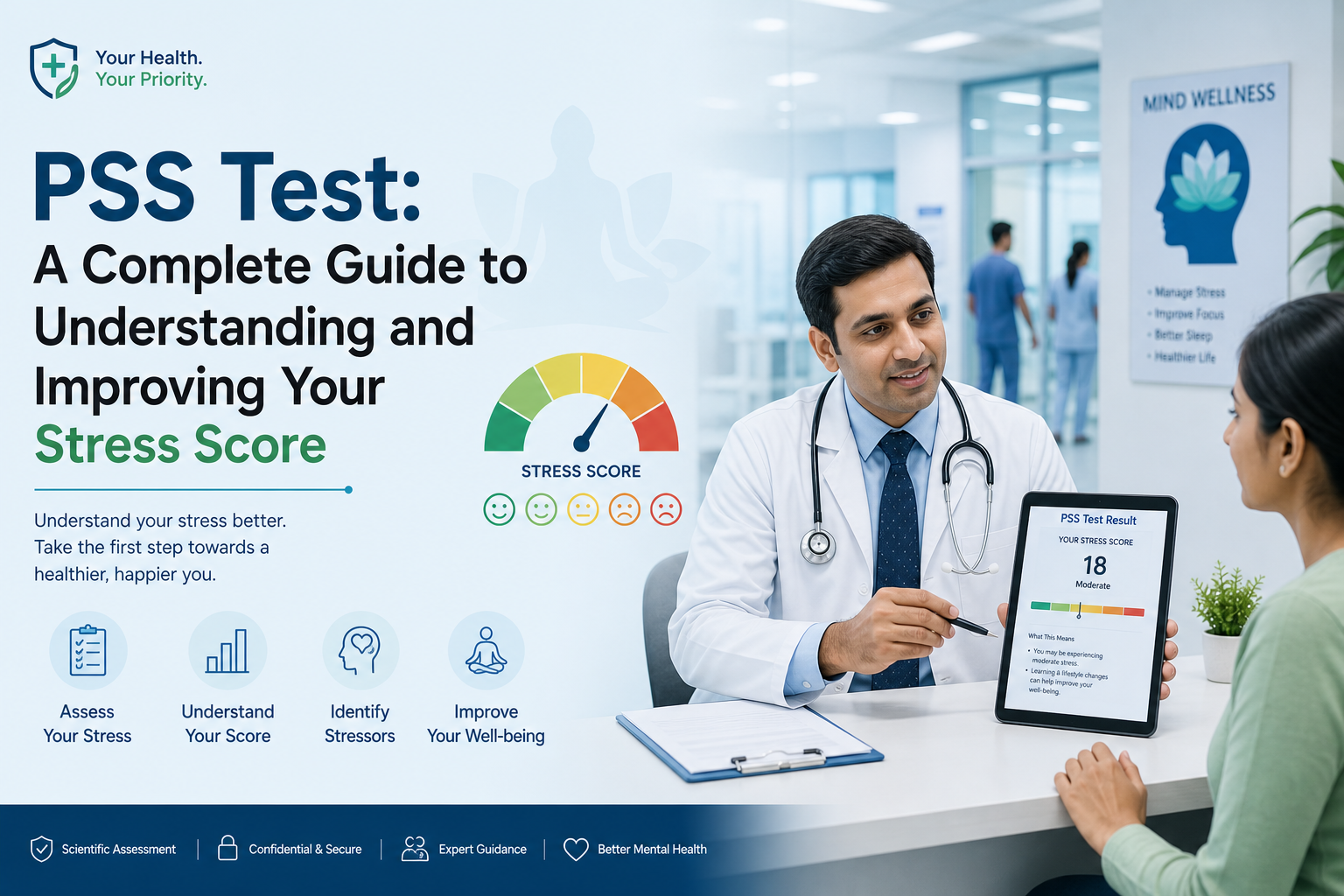
PSS Test: A Complete Guide to Understanding and Improving Your Stress Score
Feeling overwhelmed or on edge more than usual? The Perceived Stress Scale (PSS) is one of the most widely used and well-validated questionnaires for gauging how stressful you find life right now. This guide explains how the PSS works, what your results mean, and how to take a quick, research-backed PSS test to get a personalized stress score you can use today.
What Is the Perceived Stress Scale (PSS)?
The Perceived Stress Scale, developed by Dr. Sheldon Cohen and colleagues, measures how unpredictable, uncontrollable, and overloaded you’ve felt over the last month. Unlike medical tests that look for a disease, the PSS is a short psychological questionnaire that captures your subjective experience of stress—how you feel and interpret daily demands—making it an invaluable mental health tool for self-awareness and early stress assessment.
There are several versions, but the 10-item PSS (often called PSS-10) is the most common because it’s brief, reliable, and practical. If you prefer to complete it digitally, you can try a secure and convenient PSS-10 online assessment and receive instant results.
How the PSS-10 Works
The PSS-10 consists of 10 statements about how you’ve felt over the past month (for example, whether you felt unable to control important things in your life). You rate each item from 0 (never) to 4 (very often). After reversing the scores on positively worded items, the points are summed to produce a total stress score between 0 and 40.
- Common interpretation ranges for adults: 0–13 low stress, 14–26 moderate stress, 27–40 high stress.
- Your result is a snapshot of perceived stress—not a diagnosis. It reflects your current experience and may change with time and coping strategies.
- The score can guide self-care and, when needed, prompt a conversation with a clinician, counselor, or coach.
Because the PSS reflects perception, two people with identical life events can have different scores. That’s why the PSS is such a useful stress screening questionnaire—it centers your lived experience.
Why Checking Your Stress Level Matters
Chronic stress is linked with sleep disturbances, difficulty concentrating, increased muscle tension, headaches, digestive complaints, elevated blood pressure, and lower mood. When left unaddressed, it can also worsen existing conditions like anxiety or depression. A quick stress level test helps you pinpoint where you are right now so you can choose the most helpful next steps—whether that’s tweaks to your routine, structured coping skills, or professional support.
Who Should Consider a PSS-10 Stress Level Test?
Almost anyone can benefit—especially if you’ve noticed signs like irritability, racing thoughts, fatigue, frequent worry, or trouble unwinding. It’s also useful if you’re moving through a life transition (starting a new job, caregiving, moving, or preparing for exams), or if you’ve been feeling more tense without a clear reason. Employers, clinicians, and researchers also use the PSS as part of broader stress assessment and wellness programs.
How to Take a PSS-10 and Get Your Stress Score
Completing a PSS-10 takes only a few minutes. If you want rapid results, you can measure stress online to receive an instant summary, your total stress score, and straightforward guidance. Here’s how to get the most accurate snapshot:
- Choose a calm setting—turn off notifications and take a few slow breaths before you begin.
- Answer honestly about the last month, not how you think you “should” feel.
- Don’t overthink any item—your first response is usually the most accurate.
- Save or note your score so you can compare it with future check-ins.
Understanding Your Stress Score
Your PSS-10 result gives you an overall indicator of your current stress load. Here’s how to make sense of it in practical terms:
- Lower scores (0–13): Your coping resources likely match your current demands. Keep protecting sleep, exercise, and supportive routines to maintain resiliency.
- Moderate scores (14–26): Your stress may be creeping up. Consider targeted strategies like structured problem-solving, micro-breaks, and boundary setting to prevent escalation.
- Higher scores (27–40): Stress may be affecting how you think, feel, or function. It’s a strong cue to prioritize stress management and consider speaking with a mental health professional—especially if symptoms are persistent or worsening.
Remember: a single score is a snapshot. Repeating the questionnaire every few weeks can help you track progress and see which changes make the biggest difference.
Evidence-Based Strategies for Stress Management
Improving your stress score is about building skills and supports over time. Consider these approaches, and choose a few that fit your lifestyle:
- Mindful breathing and relaxation: Spend 5–10 minutes on diaphragmatic breathing, progressive muscle relaxation, or guided imagery to calm the nervous system.
- Sleep consistency: Aim for 7–9 hours. Keep a regular sleep-wake schedule, limit screens before bed, and create a wind-down routine.
- Movement: Moderate aerobic activity (like brisk walking) 150 minutes per week supports mood regulation, sleep, and cognitive clarity.
- Thought reframing (CBT skills): Notice unhelpful thought patterns and practice balanced alternatives. Journaling can help externalize worries and clarify next steps.
- Task triage and boundaries: Use short lists, time blocking, and the 2-minute rule. Say no or negotiate timelines when appropriate.
- Social support: Connect with trusted people. Even brief, meaningful interactions can reduce perceived stress.
- Nutrition and stimulants: Regular meals, adequate hydration, and mindful caffeine intake can smooth energy and mood.
- Micro-rest and recovery: Short breaks every 60–90 minutes reduce cognitive load and improve focus.
If your stress score is high or your daily function is impaired (e.g., persistent insomnia, panic episodes, or depressive symptoms), consider working with a licensed therapist, psychologist, or primary care clinician. They can help tailor strategies and, if needed, provide additional support.
Is Online Stress Testing Accurate?
When based on validated questionnaires like the PSS-10, online assessments can be both practical and informative. A thoughtfully designed platform presents the questions clearly, calculates your score correctly, and summarizes results in plain language. If you prefer a quick, science-backed option, try a free stress test that follows the Perceived Stress Scale scoring method and offers straightforward guidance you can act on immediately.
How Often Should You Recheck Your Stress?
Try repeating the PSS-10 after a meaningful change—such as adjusting your workload, improving sleep, starting therapy, or practicing relaxation techniques for two to three weeks. Regular rechecks (for example, monthly) can help you see trends and reinforce the habits that lower your stress level test results over time.
When to Seek Professional Support
Reach out to a licensed clinician if stress interferes with work, school, relationships, or self-care; if you experience persistent anxiety or low mood; or if you have thoughts of self-harm. If you or someone you know is in immediate danger, call your local emergency number right away. You deserve timely, compassionate support.
Frequently Asked Questions
1) What exactly does the PSS measure?
The Perceived Stress Scale measures how overloaded, uncontrollable, and unpredictable your life has felt over the last month. It captures your subjective experience—how you interpret and respond to daily demands—rather than counting specific stressors.
2) Is the PSS a diagnosis?
No. The PSS provides a stress score that reflects your current perception of stress; it does not diagnose a mental health disorder. Use it as a starting point for self-care or a conversation with a healthcare professional.
3) How long does it take?
About 2–4 minutes for most people. The questions are brief and easy to understand.
4) Can teens use the PSS?
Yes, adolescents can complete it, though interpretation may differ slightly by age group. If you are a parent or caregiver, consider discussing results with a pediatric clinician or school counselor for context and next steps.
5) What is the difference between PSS-10 and PSS-14?
Both measure perceived stress, but the PSS-10 has 10 items, is widely used in research and practice, and is quicker to complete. The PSS-14 includes 14 items and takes a bit longer but aims to capture similar dimensions.
6) Are my responses private?
Reputable platforms summarize your answers into an overall score and provide guidance without collecting personally identifiable health information. Always review the site’s privacy policy to understand how data are handled.
7) How should I use my results?
Use your stress score to pick one or two specific actions—like improving sleep, practicing a daily 5-minute breathing exercise, or setting a work boundary. Recheck in a few weeks to see if your score improves.
Take the Next Step
If you’re ready to turn insight into action, start with a quick, research-based assessment. In a few minutes you’ll have a clear baseline, practical tips, and a simple way to track progress over time.
Take the Free Stress Calculator Test Now
Disclaimer: This article and any linked questionnaire are for educational purposes only and are not a substitute for professional medical advice, diagnosis, or treatment. Always seek the advice of your physician or another qualified health provider with any questions you may have about a medical condition.